
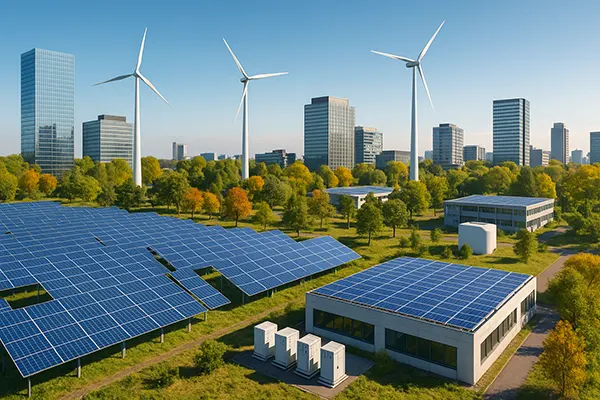
Across many regions, microgrids have evolved from experimental solutions into essential components of modern urban planning. By 2025, cities facing rising energy costs, unstable grids, extreme weather events and rapid electrification increasingly rely on locally controlled energy clusters. These systems support reliable power supply, improve community resilience and reduce dependence on centralised utilities. The shift towards energy independence is gradually transforming how cities generate, distribute and store electricity.
The Role of Microgrids in Urban Transformation
Microgrids operate as self-sufficient energy systems capable of functioning both in connection with the national grid and autonomously. Their development has accelerated in regions where power interruptions and rising demand create pressure on traditional infrastructure. Cities integrating microgrids gain the ability to manage their own energy flow, support critical services and maintain continuity even when the wider grid faces disruption.
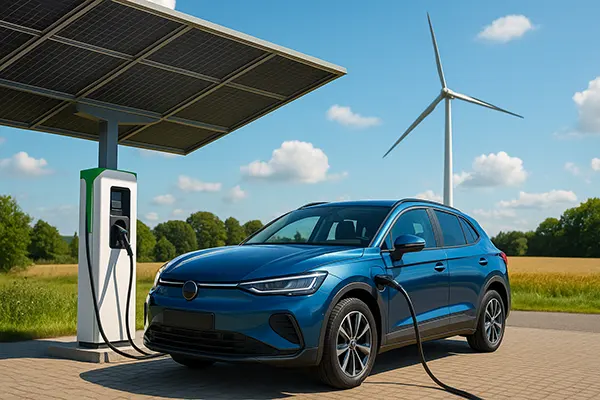
In many metropolitan areas, microgrids are becoming part of long-term urban sustainability strategies. Municipalities integrate rooftop solar generation, battery storage, electric vehicle charging and smart load management into one controlled environment. This allows for reduced peak loads and ensures that renewable energy is used more efficiently throughout the day.
Government initiatives and updated regulatory frameworks in the EU, UK and US have supported microgrid deployment. Financial incentives and technical standards encourage both public and private sectors to install local systems, especially for hospitals, transport hubs, data centres and residential districts aiming for greater autonomy.
Technological Foundations Enabling Reliable Operation
The backbone of modern microgrids includes advanced power electronics, real-time monitoring systems and predictive management algorithms. These tools enable operators to balance generation, storage and consumption without compromising stability. Artificial intelligence is increasingly involved in forecasting demand patterns and adjusting system parameters automatically.
Battery energy storage systems have significantly improved microgrid capabilities. By 2025, lithium iron phosphate (LFP) technology and emerging sodium-based batteries offer higher cycle life, better temperature tolerance and lower operational risks. Storage allows excess solar energy to be captured during the day and delivered during evening peak hours.
Communication infrastructure also plays a key role. Secure digital interfaces connect energy assets, allowing local authorities or private operators to respond swiftly to system changes. This ensures that microgrids remain stable during grid disturbances, which has become important as extreme weather events become more frequent.
Practical Applications and Global Case Studies
Microgrids have moved beyond theoretical concepts, with numerous cities demonstrating their effectiveness. In the United States, projects in California, New York and Massachusetts help communities remain operational during wildfire seasons or network maintenance. University campuses and research centres also rely on microgrids to safeguard essential facilities.
Across Europe, several urban districts operate localised renewable clusters. In Denmark and Germany, municipal utilities create decentralised energy zones combining solar, wind and storage. These setups help balance local generation with neighbourhood-level consumption, creating stable supply even during periods of high demand.
Japan and South Korea continue to expand microgrid programmes introduced after the 2011 energy crisis. Their systems prioritise disaster resilience and autonomous operation, ensuring that essential services maintain power supply during national grid interruptions. The Asia-Pacific region is expected to remain a leader in integrating microgrids into long-term energy policy.
Community-Level Benefits and Operational Outcomes
Neighbourhoods connected to microgrids experience fewer outages and gain more control over energy costs. Local generation reduces transmission losses, enabling more efficient use of resources. Communities adopting microgrids also strengthen their preparedness for emergencies, as critical facilities remain functional even when central grid failures occur.
Energy sharing models are becoming increasingly common. Households equipped with rooftop solar can exchange surplus energy within the microgrid, reducing reliance on expensive peak-time electricity. This supports the broader transition to decentralised energy systems and encourages active participation from residents.
Municipal authorities also benefit from operational transparency. With detailed data on consumption patterns, cities can plan infrastructure upgrades more accurately and develop energy policies based on real usage rather than estimates. This leads to more sustainable investment decisions and long-term cost optimisation.
Future Development of Microgrids in Energy-Independent Cities
The next stage of microgrid evolution involves deeper integration with renewable resources and flexible demand-side solutions. As electrification of heating and transport accelerates across Europe and North America, cities need local systems capable of handling variable loads without stressing national grids.
Hydrogen-ready microgrids are emerging as a promising innovation. Pilot projects in the EU and Australia test hybrid systems that combine solar, batteries and hydrogen storage to support multi-day energy autonomy. This approach could provide stable supply during prolonged periods of low renewable generation.
Many countries are updating regulations to simplify microgrid deployment and allow small communities to function as independent energy clusters. These policy changes encourage partnerships between local authorities, energy companies and technology providers, creating a foundation for broader adoption of decentralised infrastructure.
Long-Term Influence on Urban Infrastructure Planning
Microgrids are gradually reshaping how urban regions design their electricity networks. Instead of relying solely on large centralised power plants, future cities will adopt interconnected clusters of smaller renewable generators. This modular approach reduces vulnerabilities and makes systems more adaptable.
Urban planners increasingly consider microgrids when developing new districts. Residential, commercial and industrial buildings can be constructed with integrated energy storage, advanced metering and solar-ready roofing, allowing quick expansion of decentralised networks without major infrastructure modifications.
By 2030, many analysts expect microgrids to become standard elements of smart city architecture. As energy independence becomes a strategic priority, microgrids provide the stability, flexibility and efficiency required for sustainable urban growth.