
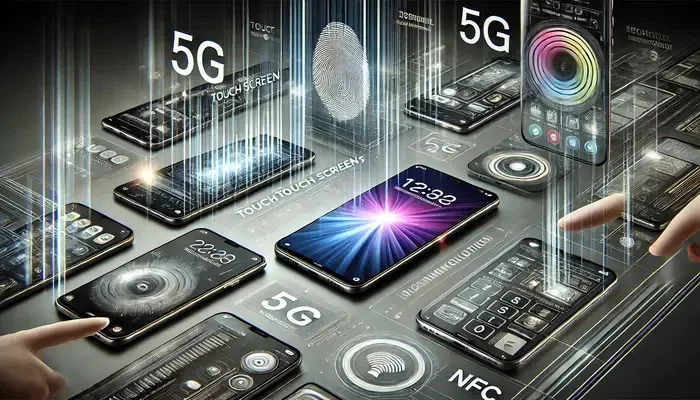
Smartphones have evolved dramatically over the past two decades, transforming from simple communication devices into powerful mini-computers that fit in our pockets. This evolution has been driven by a series of groundbreaking innovations that have reshaped how we interact with technology and the world around us. In this article, we explore the top five innovations in smartphones that have had a profound impact on our lives.
Touch Screens
The advent of touch screens marked a significant turning point in smartphone technology. Early mobile phones relied on physical buttons and keyboards, which limited their functionality and ease of use. The introduction of touch screens, popularized by the first iPhone in 2007, revolutionized the user interface. Touch screens allowed for more intuitive and flexible interaction with devices, enabling users to swipe, tap, and pinch their way through applications and content. This innovation paved the way for larger screens, virtual keyboards, and the development of a wide range of mobile applications.
Mobile Operating Systems
The development of sophisticated mobile operating systems (OS) has been crucial in turning smartphones into versatile and powerful devices. Operating systems like Apple’s iOS and Google’s Android have provided platforms for developers to create a vast ecosystem of applications. These OS not only manage the hardware and software resources of the device but also offer seamless integration with cloud services, enhanced security features, and regular updates to improve performance and functionality. The competition between these operating systems has spurred continuous innovation, benefiting consumers with better and more diverse features.
High-Resolution Cameras
The integration of high-resolution cameras into smartphones has transformed photography and videography. Early mobile phone cameras produced low-quality images that were often grainy and lacked detail. However, advancements in camera technology have led to the development of smartphones with multiple lenses, high megapixel counts, and advanced features like optical image stabilization and night mode. These improvements have made it possible for users to capture professional-quality photos and videos, significantly impacting social media, journalism, and even filmmaking. The convenience of having a high-quality camera always at hand has democratized photography, allowing anyone to document and share their experiences instantly.
Wireless Technologies
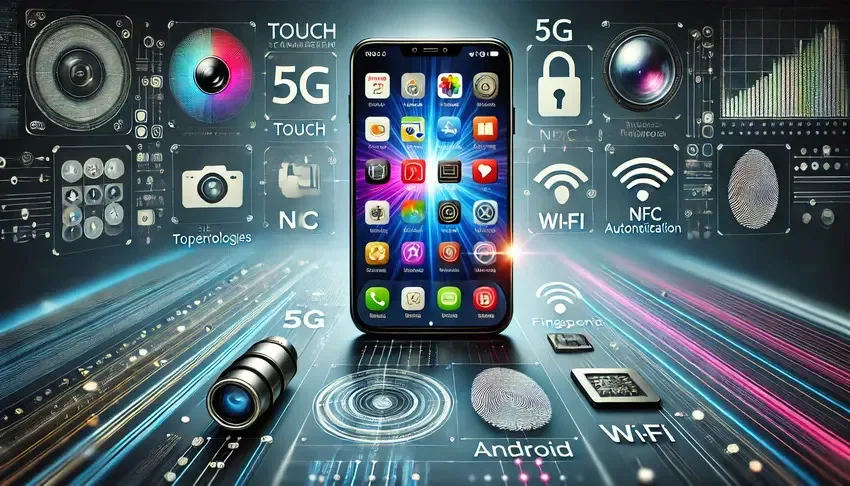
Wireless technologies such as 5G, NFC, and Wi-Fi have significantly expanded what smartphones can do and how reliably they stay connected throughout the day. 5G networks provide higher data rates, lower latency, and greater capacity than earlier mobile generations, which can improve large downloads, high-quality video streaming, cloud-based services, and real-time applications when compatible coverage is available. The added network capacity is also valuable in busy locations, where large numbers of connected devices can place heavy demands on mobile infrastructure. Near Field Communication (NFC), meanwhile, enables very short-range wireless interactions that support contactless payments, public-transport ticketing, digital access credentials, and quick connections with compatible devices or tags. Its short operating distance makes it especially practical for deliberate tap-based actions where speed and convenience matter. Wi-Fi has continued to evolve as well, with newer generations designed to use available spectrum more efficiently and serve multiple devices more effectively in homes, offices, airports, and other crowded environments. Support for newer frequency bands on compatible equipment can also reduce congestion and provide additional capacity for data-intensive tasks. Together, these technologies allow smartphones to switch between cellular and local wireless connections, share internet access with other devices through mobile hotspots, interact with payment terminals and smart accessories, and maintain dependable connectivity across a wide range of everyday situations. As a result, wireless innovation has not simply made smartphones faster; it has broadened their role as connected tools for work, travel, media, payments, navigation, and communication.
Biometric Authentication
Biometric authentication has significantly improved the security and convenience of smartphones. Traditional methods of securing devices, such as PINs and passwords, can be cumbersome and prone to breaches. The introduction of biometric authentication methods like fingerprint scanning and facial recognition has provided a more secure and user-friendly alternative. These technologies leverage unique physical characteristics to verify the identity of the user, making unauthorized access more difficult. Biometric authentication not only enhances security but also simplifies the user experience, as users can unlock their devices and access sensitive information quickly and effortlessly.
In conclusion, the innovations in touch screens, mobile operating systems, high-resolution cameras, wireless technologies, and biometric authentication have collectively transformed smartphones into the versatile and indispensable devices we rely on today. These advancements have not only enhanced functionality and convenience but also reshaped various aspects of our daily lives, from communication and entertainment to security and commerce. As technology continues to evolve, we can expect even more groundbreaking innovations that will further integrate smartphones into the fabric of our world.